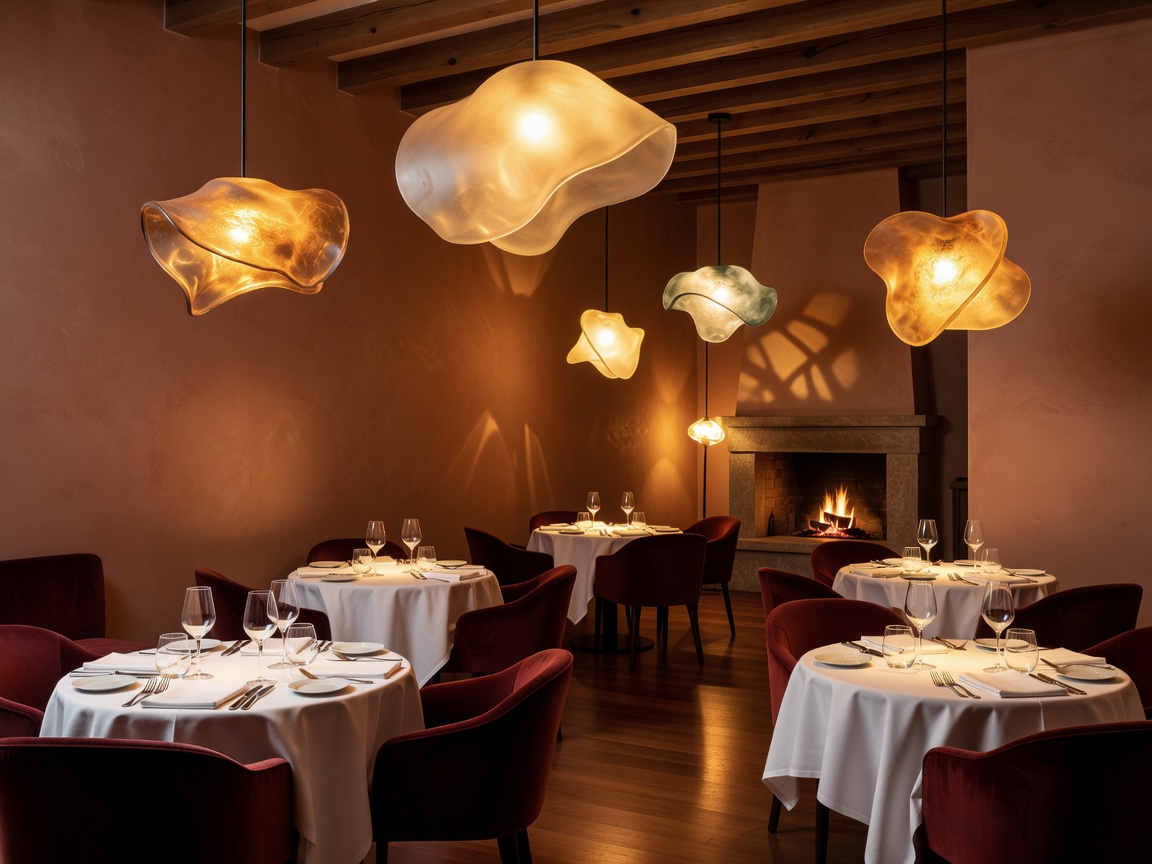
A guide to dining character
“Notable” is not a score
We use notable to describe a restaurant or dining idea that invites a closer look—not to imply a ranking, award or universal verdict. A restaurant may stand out for its relationship with a neighborhood, an expressive interior, a regional point of view or the way its format brings people together. These qualities can matter as much as formality or reputation.
European dining is wonderfully varied. A contemporary room in a capital, a family-run neighbourhood place, a historic dining room and a small regional restaurant each ask something different of the visitor. There is no single best way to eat across a continent, and no list can replace the pleasure of finding an atmosphere that suits your own curiosity, appetite and budget.
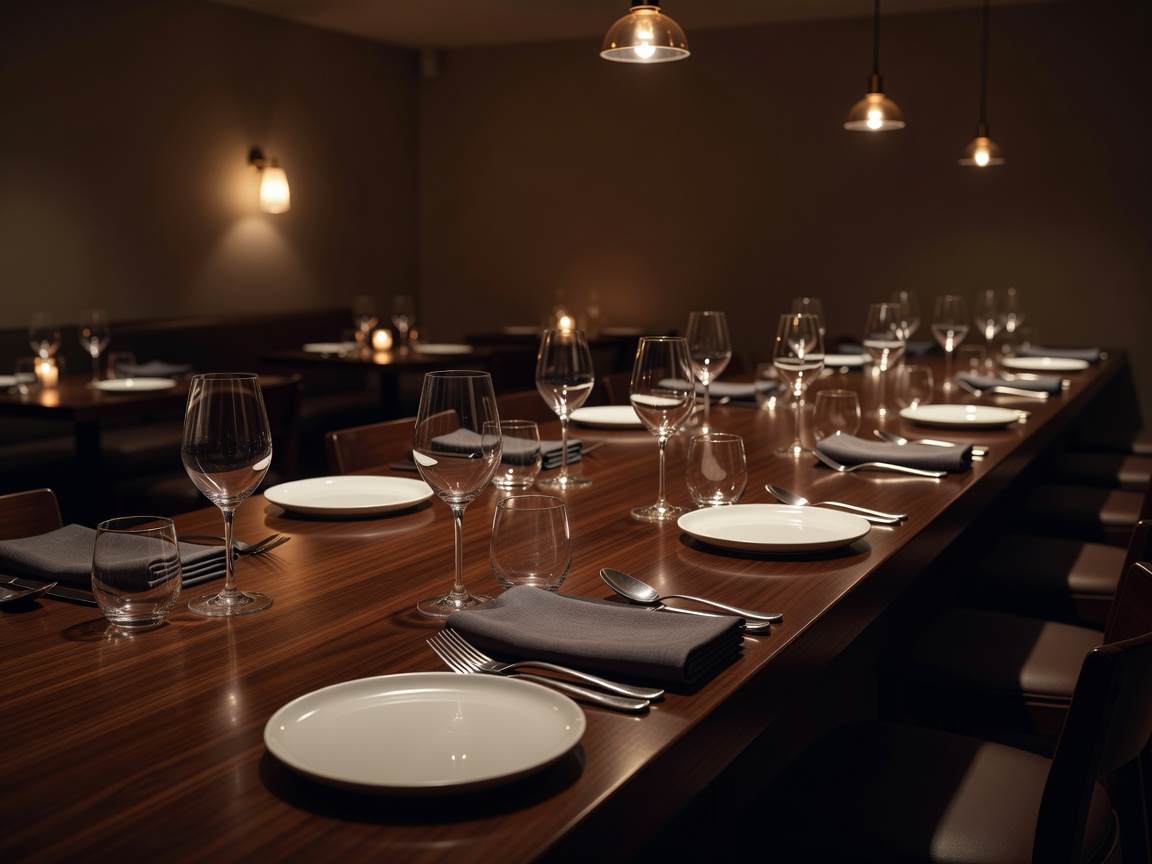
Room, light and scale all shape the feeling of a meal.
Modern European cooking and regional roots
Many kitchens work with contemporary techniques while remaining in conversation with local ingredients and habits. That connection does not always need to be announced. It might appear in a market-led approach, a familiar format reinterpreted, or a dining room whose materials reflect the surrounding city. Look for the story a restaurant tells about itself, but hold space for the fact that food cultures evolve.
Regional restaurants offer another entry point. A local menu can introduce ingredients or meal customs unfamiliar to a visitor, while also reflecting migration, trade and changing tastes. Avoid assuming that one dish defines a whole region. If you are curious, ask a venue how it describes its own approach and check the current menu and dietary information through official channels.
Neighborhood rooms and destination tables
Some meals are woven into a neighborhood rather than set apart from it. These can be cafés, everyday dining rooms, wine bars or places shaped by a regular local clientele. Their appeal may rest in an easy rhythm and a sense of continuity. Visitors can be thoughtful guests by learning basic local etiquette, respecting staff and neighbors, and approaching a place with interest rather than entitlement.
Destination restaurants can form a central part of a trip, but they ask for more planning. Consider travel time, how the meal fits the day and how you will return afterward. A famous-sounding address is not automatically the right choice for every visitor. The best fit depends on your priorities, mobility, dietary needs and comfort with the venue’s format.
A room tells a story
Notice the setting as well as the plate
Natural stone, timber, historic detail, bright modern lines or a lively counter each create a different atmosphere. Think about sound, lighting, seating and pace. A beautiful interior is most meaningful when it supports a comfortable meal.
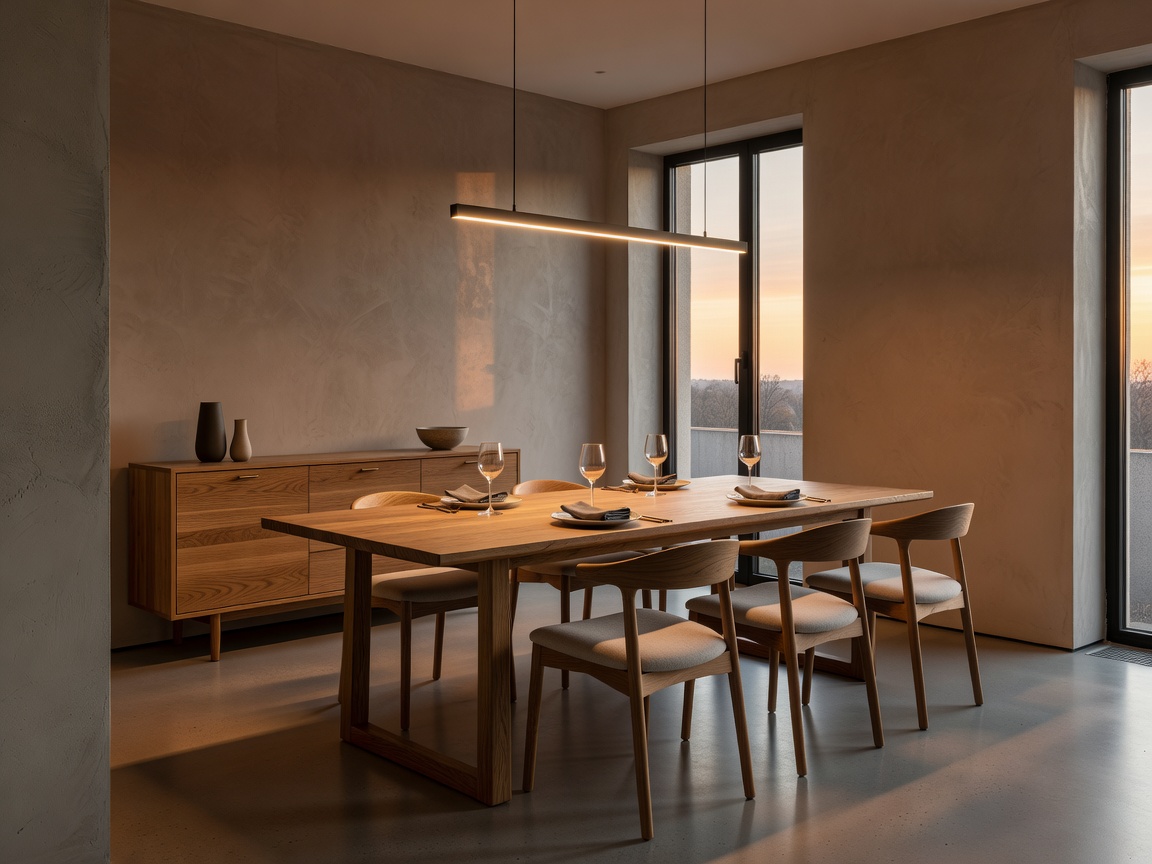
Finding the right format for your trip
A long tasting-style meal may suit a celebratory evening, while a relaxed neighborhood table can work better between museums or train connections. Families, solo travelers and people with mobility or sensory considerations may value different details. Before committing to a specific venue, use its official information to check service format, access, dietary accommodation and any current booking process.
For an unhurried city visit, consider balancing one planned meal with flexible options nearby. For a short stay, location and transport can matter more than chasing an additional stop. Travelers on a tighter budget can build a rich food itinerary around bakeries, markets, casual lunch spots and regional specialties, with only one or two higher-cost meals if desired.
How to research responsibly
Start with the restaurant’s own website or established official channels for current menus, opening arrangements and contact details. Information can change, and search results or old articles may not reflect current operations. Where the site is unavailable, do not assume that details from an unrelated listing are confirmed. For sensitive dietary requirements, communicate directly and allow time for a response.
Read descriptions critically. Awards and accolades, when present, should be checked at their original source and dated; they are not a substitute for your own preferences. We do not publish scores or imply that a place has been tested by our team. Our editorial focus is context: what kind of experience a reader might be looking for, and what practical questions can help make the choice.
Good for
- Travelers interested in dining-room design and the atmosphere of a meal.
- People who enjoy regional food stories without expecting a single dish to define a place.
- Visitors balancing destination dining with everyday neighborhood discovery.
What to know
Restaurant names, menus, service, prices, opening schedules and availability can change. This page offers general editorial guidance rather than current venue verification. Confirm details with the restaurant’s own official source before travelling, and choose experiences that suit your needs and budget.