
A practical planning guide
Plan the connections, not just the stops
A hotel and a restaurant can be excellent choices on their own and still make an awkward combination. Perhaps the meal is across town after a long day, or the hotel is far from the neighborhoods you most want to explore. Pairing is not about finding an official package or a commercial relationship. It is simply a way to consider how your choices fit together geographically and in the rhythm of a day.
Start by naming the experiences that matter most. Is the trip built around museums, architecture, a coastal walk, food markets or time to rest? Then look at where those activities sit in relation to likely meal areas and your arrival point. The aim is not to optimize every minute. It is to reduce unnecessary friction and leave room for unplanned discoveries.

A comfortable evening often begins with a realistic plan for the walk home.
Walkability is personal
“Walkable” depends on more than distance. Pavement quality, hills, crossings, weather, luggage, mobility and the time of day all matter. A route that looks short can feel very different after dinner or in poor weather. Check current local transport options and think about a return plan before committing to a far-flung meal.
In compact historic cities, staying near a central district may make it easy to combine sightseeing and dining. In larger capitals, a well-connected neighborhood may be more useful than a central address that sits away from your preferred activities. The right choice depends on your itinerary, access needs and energy—not a universal radius.
Pair neighborhoods with the way you travel
For a first visit with limited time, choose a base near the sights or transport links you expect to use most. Then select restaurants in the same area or along a planned route. This does not mean every meal must be close by; it means deciding when a longer journey is worth it. For a return visit, staying in a different district can reveal another side of the city.
In a coastal destination, think about the relationship between the hotel, waterfront, town centre and transport to nearby places. In an alpine or countryside setting, the main question may be access: whether you will rely on local transit, transfers or a vehicle, and what current options exist. A rural stay can be peaceful, but it needs a practical plan for meals and movement.
An example, not a recommendation
A city-break rhythm
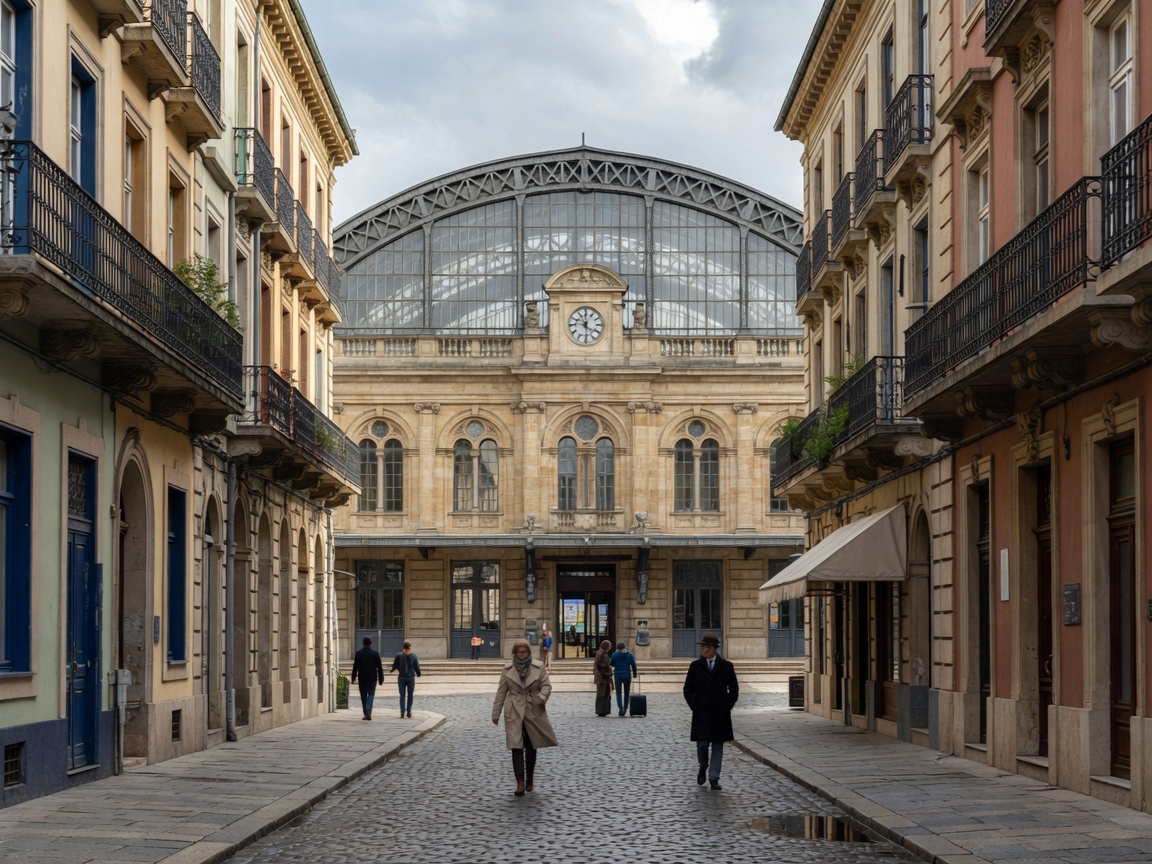
Imagine a walkable base near a rail connection, a morning spent in a historic quarter, a flexible lunch near the day’s activities and a deliberately chosen evening meal. The useful part is the sequence—not any particular hotel or restaurant.
Reservations, timing and the journey back
If you have a specific restaurant in mind, use its official information to understand its current reservation process, timing, service format and policies. Do not build an itinerary around unverified availability. Keep arrival times realistic, especially on travel days, and allow a buffer for transit delays. For a late meal, check current public transport schedules or choose a return option that works for you.
Consider how much structure you enjoy. A tightly booked day can be satisfying for a short visit, but it can also leave little margin for a slow lunch or a place that catches your eye. A useful compromise is to anchor one or two important plans and keep the rest of the day open.
Architecture and cultural context belong in the pairing
A hotel in a converted historic building may offer a strong architectural experience; a contemporary property might make a different statement. The surrounding streets can add another layer. Think about how the building relates to the district, not just how it photographs. Likewise, a meal can become more meaningful when it sits alongside a market visit, a local museum or a walk through the area.
Travel respectfully. Learn basic local customs where possible, follow venue rules and remember that residential streets are homes, not just backdrops. Keep noise considerate late at night and avoid treating a neighborhood as a themed attraction. A well-paired trip leaves room for ordinary local life.
Pros and trade-offs
- Closer base: can simplify short trips and evening returns; may offer less quiet or space.
- Quieter edge: can provide a slower feel; may add travel time and require more planning.
- Planned dining: gives structure to a special evening; can reduce flexibility if the day changes.
- Open itinerary: leaves room for discoveries; may not suit a sought-after venue or tight schedule.
Good for
Travelers who want to balance a memorable meal with a calm return, first-time visitors choosing a neighborhood, and anyone planning several stops without turning the trip into a checklist.
What to know
Examples here describe planning patterns, not actual hotel–restaurant partnerships. Hotel facilities, restaurant details, transport schedules, prices and availability change. Verify current information with the relevant official providers before travel.