A considered approach to stays
Choose for the trip you actually want
“Luxury hotel” can describe very different experiences. A grand city property, a small design-led address, a restored historic building and a secluded coastal retreat may all sit under the same broad heading, yet serve different kinds of traveler. Before comparing features, picture the days around the stay: where you plan to walk, how much time you will spend at the hotel and what sort of atmosphere helps you unwind.
Europe’s variety makes the question especially important. A hotel in a dense historic centre can put museums, cafés and transit within easier reach. A country property may offer space and quiet but require more thought about transfers and day trips. In mountain and coastal settings, weather and seasonal transport may shape the stay as much as the room itself.
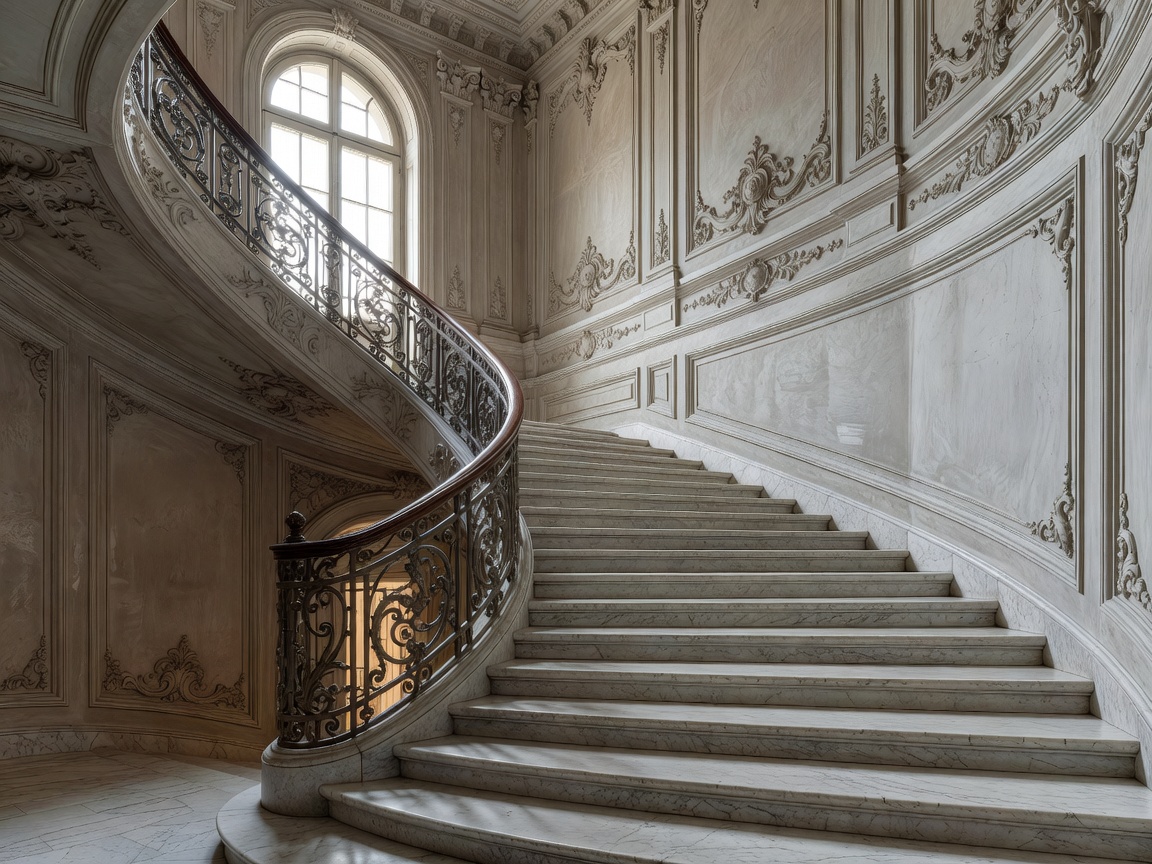
Architecture can be part of a stay, but comfort and context matter just as much.
Start with location and daily movement
Map the parts of the destination that matter to you—not with a map widget here, but with a simple list: arrival station, likely sights, dinner areas and any planned excursions. Consider walking distances, accessible routes, local transport and the way you expect to return in the evening. “Central” is not a complete description; the character and convenience of each district vary.
Urban hotels can be a sensible base for travelers who value transit and a range of nearby dining choices. Smaller properties may offer more individual character but a narrower set of on-site services. Countryside stays may create a strong sense of retreat, though transfers, meal options and access to nearby villages deserve a closer look. These are trade-offs, not a hierarchy.
Architecture, room character and service
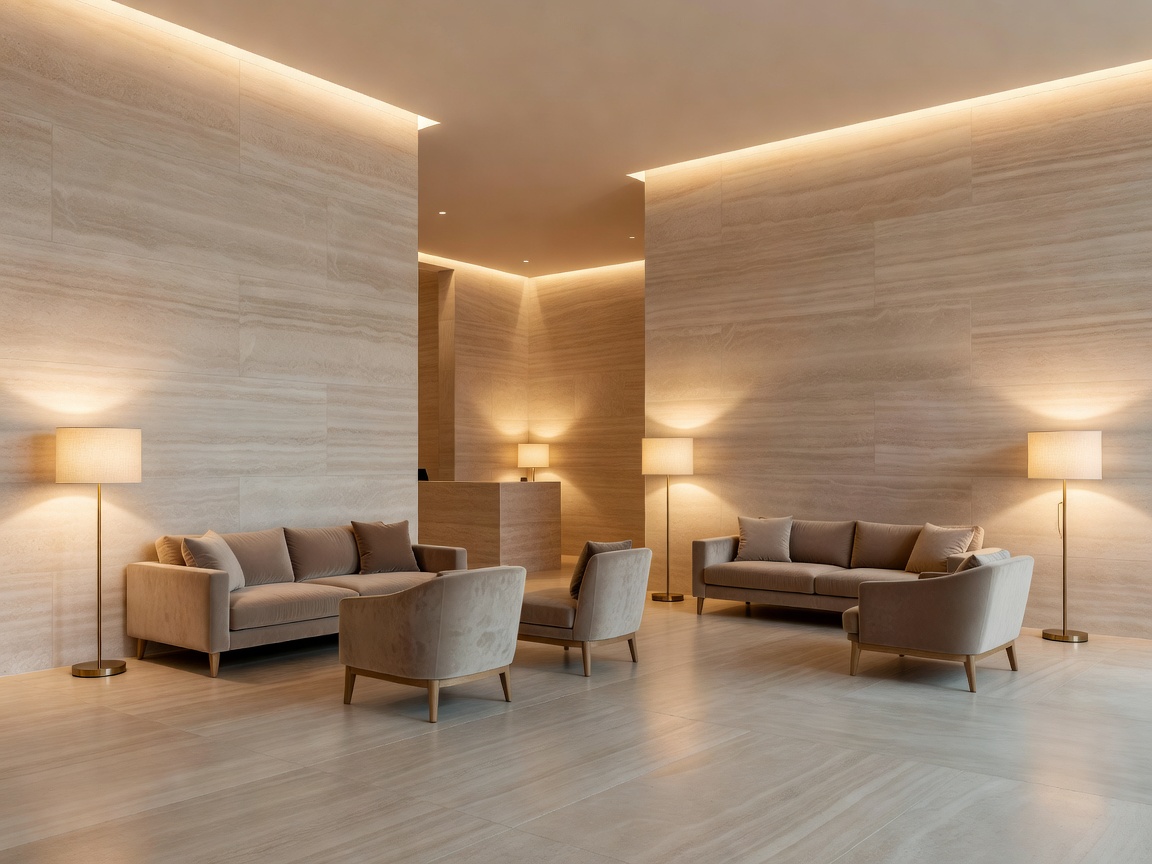
Look at how a building’s design supports the experience. Historic properties can carry visible layers of the past, while contemporary hotels may foreground light, materials and clean lines. Neither approach guarantees a particular level of comfort. Check current room descriptions and images on the property’s own website, and look for practical details such as lifts, step-free access, air conditioning or quiet-room options when those matter to you.
Service models vary too. Some hotels are designed around a full-service rhythm; others keep things deliberately intimate. Read what the property itself says about reception, dining and guest support rather than assuming that a luxury label means the same package everywhere. If accessibility, dietary needs or a specific room feature is important, ask the hotel directly before making a commitment.
The atmosphere test
Does the place suit your pace?
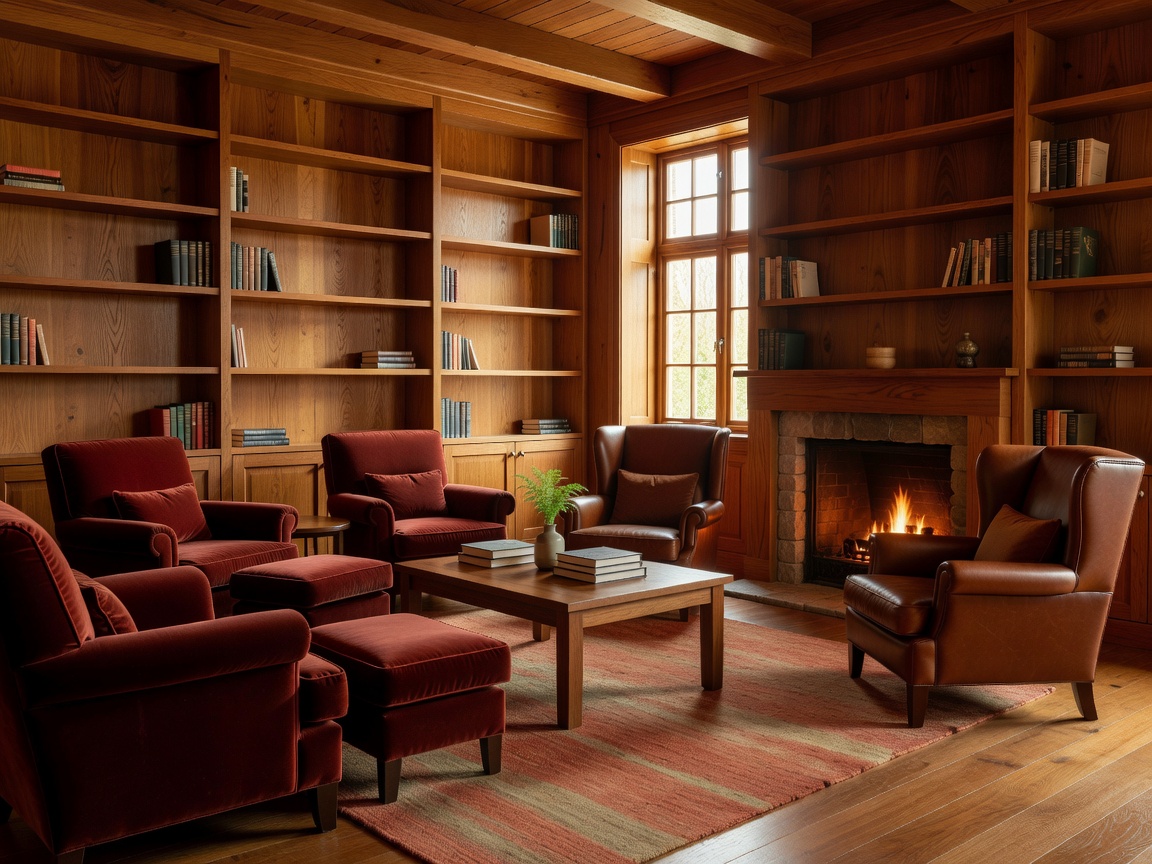
A lively city base can be ideal for an energetic weekend. A quiet retreat may suit a slower journey. Look for signals in the setting, shared spaces and location, and decide whether the hotel’s character matches your preferred balance of activity and rest.
Dining access, wellness and transport
On-site dining can be convenient, but it need not determine the whole trip. Consider the surrounding neighborhood too: are there cafés, markets or restaurants that fit your interests? For wellness facilities, rely on current official descriptions and verify access arrangements, seasonal operation and any restrictions directly. Do not assume a photographed feature is available to every guest or open throughout the year.
Arrival matters. Check the route from a rail station, airport or ferry terminal using current operator information. In rural or alpine settings, confirm whether onward transport is practical at your arrival time. A property that looks secluded in photographs may involve a longer transfer than expected; that can be a pleasure when planned and a stress when not.
Compare categories without chasing labels
Historic hotels may appeal to travelers drawn to heritage architecture and a distinct sense of place. Consider whether preserved features align with the practical comforts you need. Contemporary design hotels can offer a clear visual identity and modern spaces, but examine location and room details beyond the photography. Boutique hotels often emphasize intimacy and personality; the scale can mean fewer facilities. Resort and countryside properties make it easier to slow down, while often requiring more deliberate transport and meal planning.
For a city break, compare two or three neighborhoods before narrowing the hotel list. For a multi-stop trip, think about contrast: perhaps a lively urban stay followed by a quieter landscape. A considered mix can be more satisfying than choosing the same hotel style in every place.
Good for
- Travelers who value architecture, interiors and a sense of setting.
- People planning a special trip and wanting their base to support—not dominate—the itinerary.
- Anyone weighing city convenience against coastal, countryside or alpine quiet.
What to know
This guide does not verify or recommend a specific hotel, rate or current amenity. Room details, services, transport and operating arrangements can change. Confirm important information directly with the property and relevant travel operators. Consider your access requirements, budget and preferred service style before choosing.