A destination guide
Choose the city, then follow its local character
Food can be a lovely reason to choose a European destination, but it is a better companion than a complete itinerary. The most rewarding trips leave room for a meal that anchors the day and for the streets, public spaces and smaller discoveries around it. Instead of asking only where to eat, ask what kind of place you want to understand.
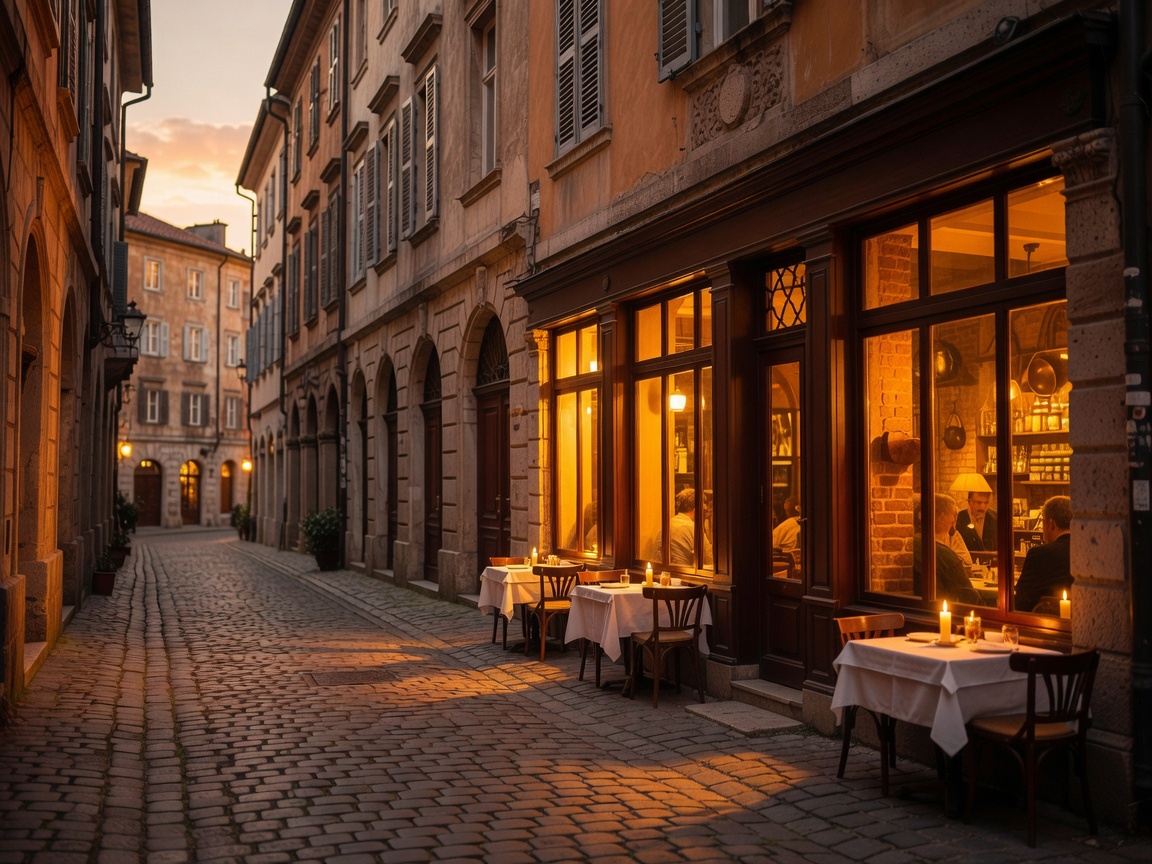
In a compact historic centre, a morning market, a slow walk and a late lunch may fit naturally together. In a larger capital, the city’s identity is more dispersed: one district may be defined by long-established shops, another by contemporary galleries or a mix of everyday cafés and newer kitchens. These are useful clues, not neat labels. Neighborhoods change, and the food scene is never a single thing.
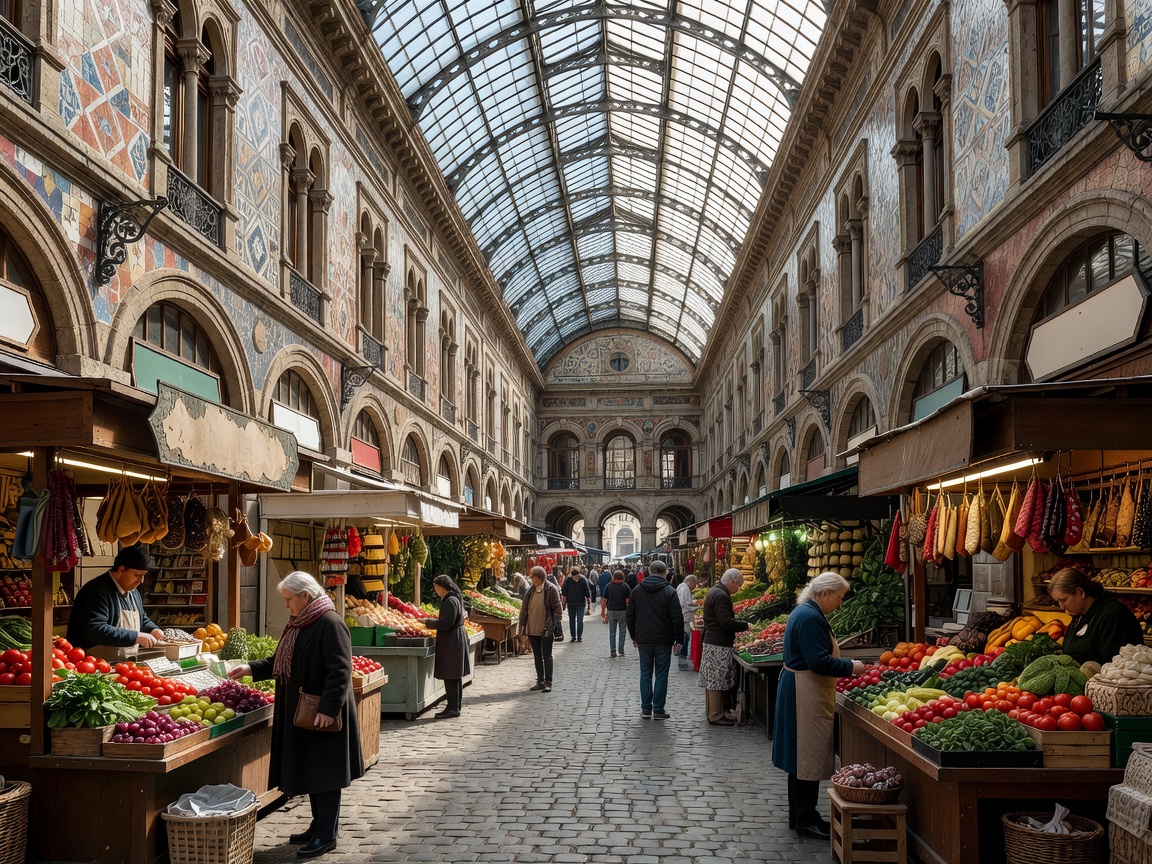
Markets and everyday streets offer context beyond a restaurant list.
Read a region through more than its signature dish
Regional food identity is shaped by landscape, trade, migration, climate and family traditions. A coastal itinerary may invite attention to fishing ports and seasonal produce; an inland route might make markets, bakeries or local farming landscapes more central. These broad patterns are starting points rather than guarantees about what any one kitchen serves.
For instance, the Iberian Peninsula offers a great range of urban and regional settings, from Atlantic-facing cities to inland historic centres. Northern Europe brings a different relationship with seasonality and daylight, while Central Europe’s cities often reward travelers who look beyond a monument-filled core into residential districts. No region is uniform, and a city’s present-day dining culture includes many influences.
Neighborhoods make the practical difference
Choosing a dining area means thinking about the whole evening. Can you walk back to your hotel? Is public transport a sensible option? Would you like to be near a theatre, a riverfront or a quieter residential street? A restaurant can be memorable in isolation, but its setting changes how the evening feels and how much energy the journey requires.
Historic districts often offer a strong visual sense of place, though busy visitor corridors can make it harder to encounter everyday routines. Neighborhoods outside the centre may have a more local pace, but require extra attention to transit and late-night return routes. Neither is inherently better. Match the area to your schedule and comfort.
A useful comparison
Historic core or lived-in district?
A central old town can simplify short visits and connect meals with architecture. A residential area may offer more everyday texture and a calmer pace. If the trip is brief, convenience may matter most; with more time, moving between districts can reveal more of the city.
Let season and pace shape the plan
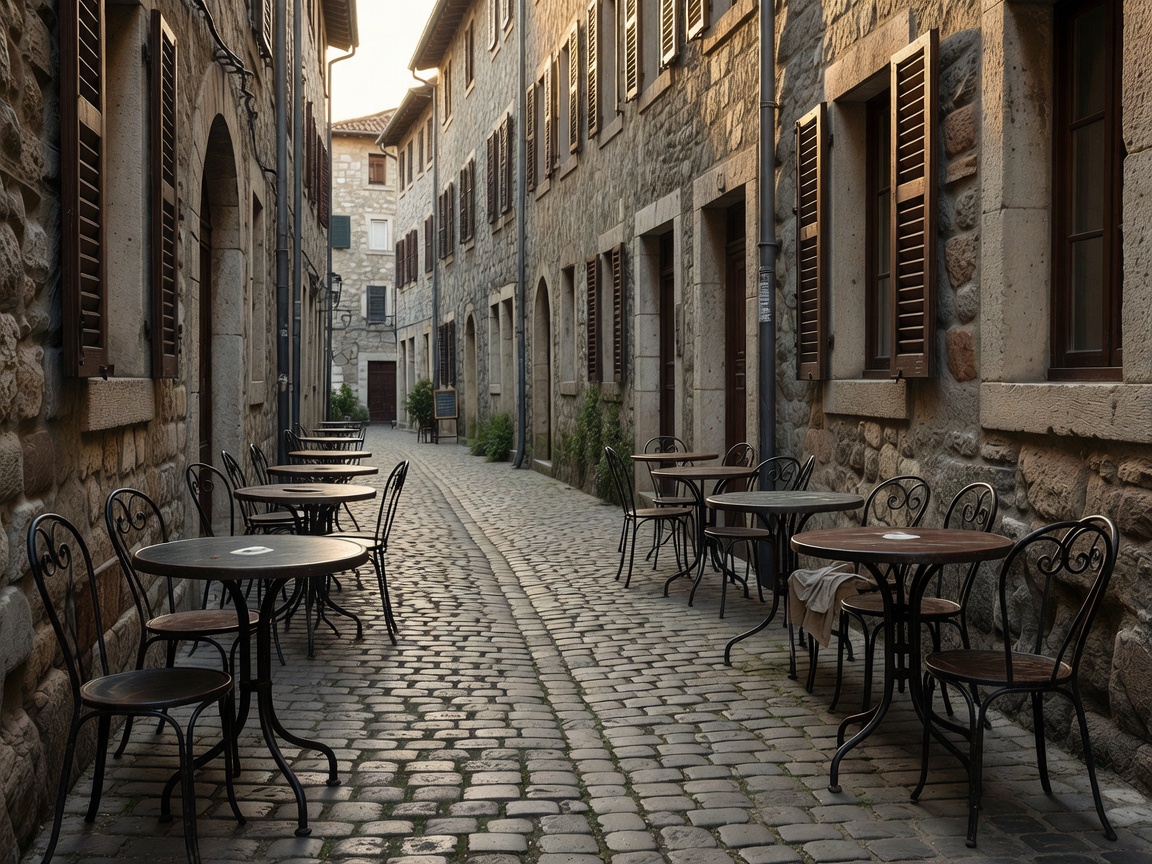
Season influences daylight, crowds, market produce and the kinds of outings that feel comfortable. Coastal towns and resort areas can have a notably different rhythm between busy and quiet periods. In northern cities, shorter winter days may make a walkable base and early meal feel especially practical. Confirm current details directly before you travel: openings, schedules and local conditions change.
Rather than filling every meal slot, choose a few priorities and protect open time around them. A market visit may be best early; a long meal can make a packed afternoon unrealistic. Keep a flexible alternative for arrival days, travel delays or changed plans. If a particular restaurant is important, check its own published information for current booking and dietary guidance.
Small cities, coastal places and second stops
Smaller cities can be a useful counterpoint to capitals. Their compact scale may make it easier to combine a cultural visit, an unhurried meal and a walk without constant transfers. Coastal destinations can reward attention to harbors, promenades and local markets, while a stop in a less familiar regional centre can give the trip a different tempo. Research transport first: a beautiful idea is only useful if it fits the route.
It is also worth resisting the idea that a destination must be “discovered” through a restaurant alone. Public squares, museums, local shops, parks and conversations all contribute to the experience. Food is one lens among many, and a more respectful visit gives local life space rather than treating it as scenery.
Good for
- Travelers who like to connect meals with walking and neighborhood exploration.
- Short city breaks where location and pace matter as much as a dining shortlist.
- Curious visitors who want regional context without expecting every place to fit a stereotype.
What to know
This is an editorial framework, not a live directory. Restaurant details, seasonal activity, transport and opening arrangements can change. Use official venue and local transport sources for current information, and make plans that respect your budget, access needs and personal preferences.