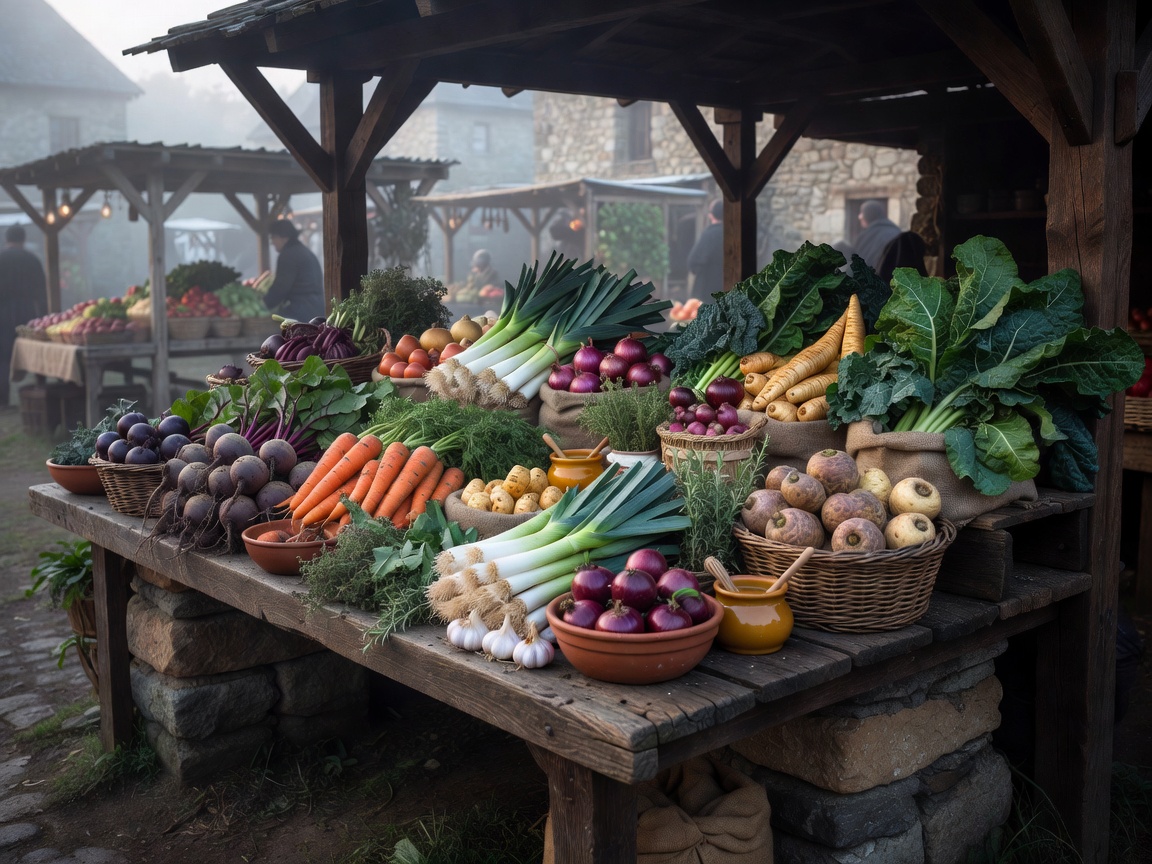
A practical field guide
Let curiosity lead; let logistics support it
A food-focused trip does not need to be a series of hard-to-get tables. It can be a morning at a market, a bakery stop, an informal lunch, a neighborhood walk and one carefully chosen dinner. The most satisfying plans often leave space for the city to interrupt them—in a good way.
Begin by deciding what interests you. Perhaps it is regional cooking, market culture, contemporary dining rooms, coastal food traditions or the way a city’s café life changes through the day. A clear theme helps you choose a destination, but keep it broad enough to include different experiences and budgets.
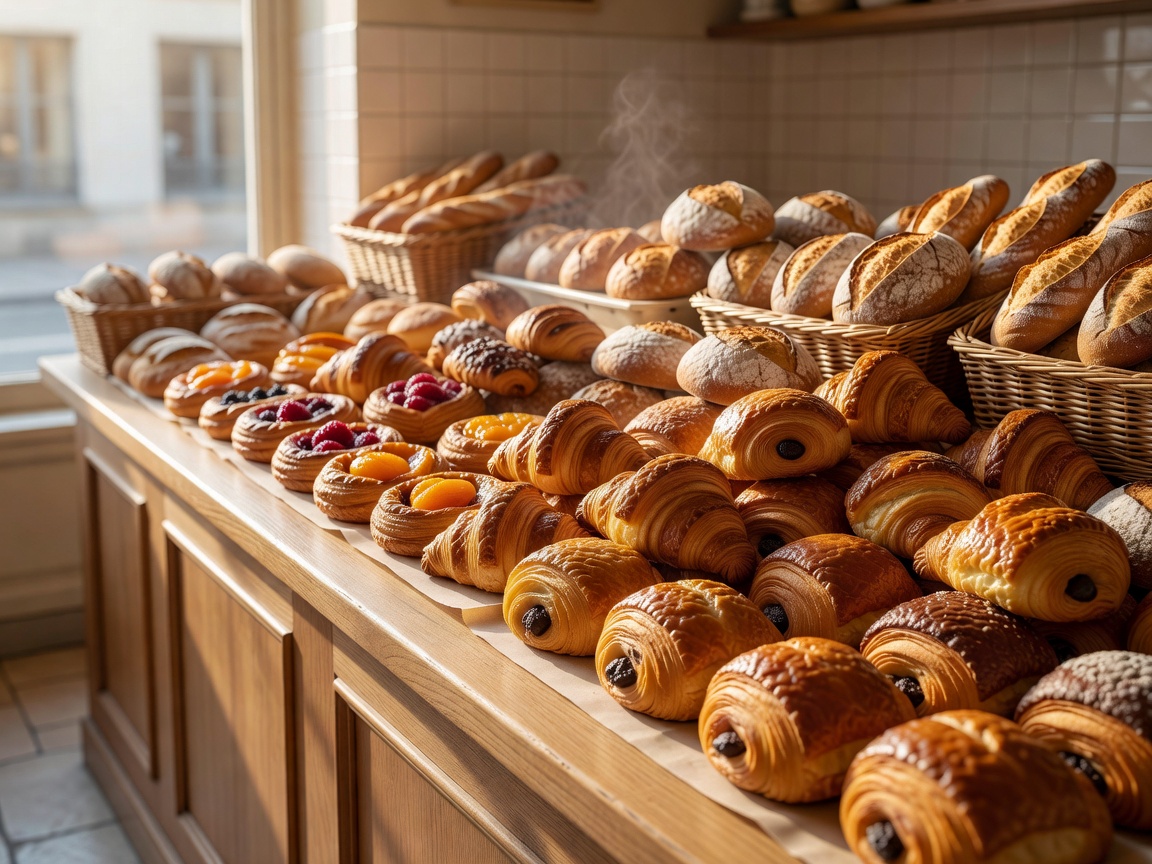
Everyday food moments can be as revealing as a planned dinner.
Choose the destination with context
Look at geography, travel time and the mix of activities available. A large capital may offer many neighborhoods and cuisines, but distances can make a day feel scattered. A smaller city may be easier to explore on foot, while a coastal or rural route brings its own transport and seasonal considerations. Consider whether you want one base or several stops, and use current rail, road and ferry information to test the route before you commit.
Try to understand food culture through more than a checklist of signature dishes. Local customs, migration, markets, agriculture and contemporary creativity all shape what people eat. A destination is not a museum display, and the people who live there are not supporting characters in a visitor’s itinerary. Approach local traditions with curiosity and humility.
Seasonality without assumptions
Season can affect produce, daylight, crowd levels and the kind of trip that feels comfortable. A shoulder-season visit may have a different rhythm from a peak summer stay, but conditions vary by place and year. Some restaurants adjust menus or schedules seasonally; others do not. Check current information directly rather than assuming a particular dish, festival or market will be available on a specific date.
Weather also changes practical choices. In winter, an early reservation and a nearby hotel may feel appealing. In warmer months, outdoor markets and evening walks may take on more importance. Pack for the forecast, but leave a little flexibility in the plan.
Build in breathing room
One anchor can be enough
Choose a main experience for the day, then let nearby streets and spontaneous stops fill the margins. A market visit followed by a relaxed lunch can be a complete day without an additional reservation.
Research restaurants and hotels carefully
For restaurants, use official channels to check current menu information, opening arrangements, service style and the venue’s own reservation process. Do not assume an old article or third-party listing is current. If a dietary requirement is important, contact the restaurant in advance and be clear about your needs. A response can help you decide whether a venue is suitable, but no online description can guarantee an outcome.
For hotels, compare the location with your intended routes and daily pace. Consider access, transport, room details and the services you actually expect to use. A beautifully photographed property may not suit your budget, mobility needs or itinerary. Current prices and availability change, so check directly with the property or the booking channel you choose; this guide does not provide inventory or rates.
Markets, festivals and regional experiences
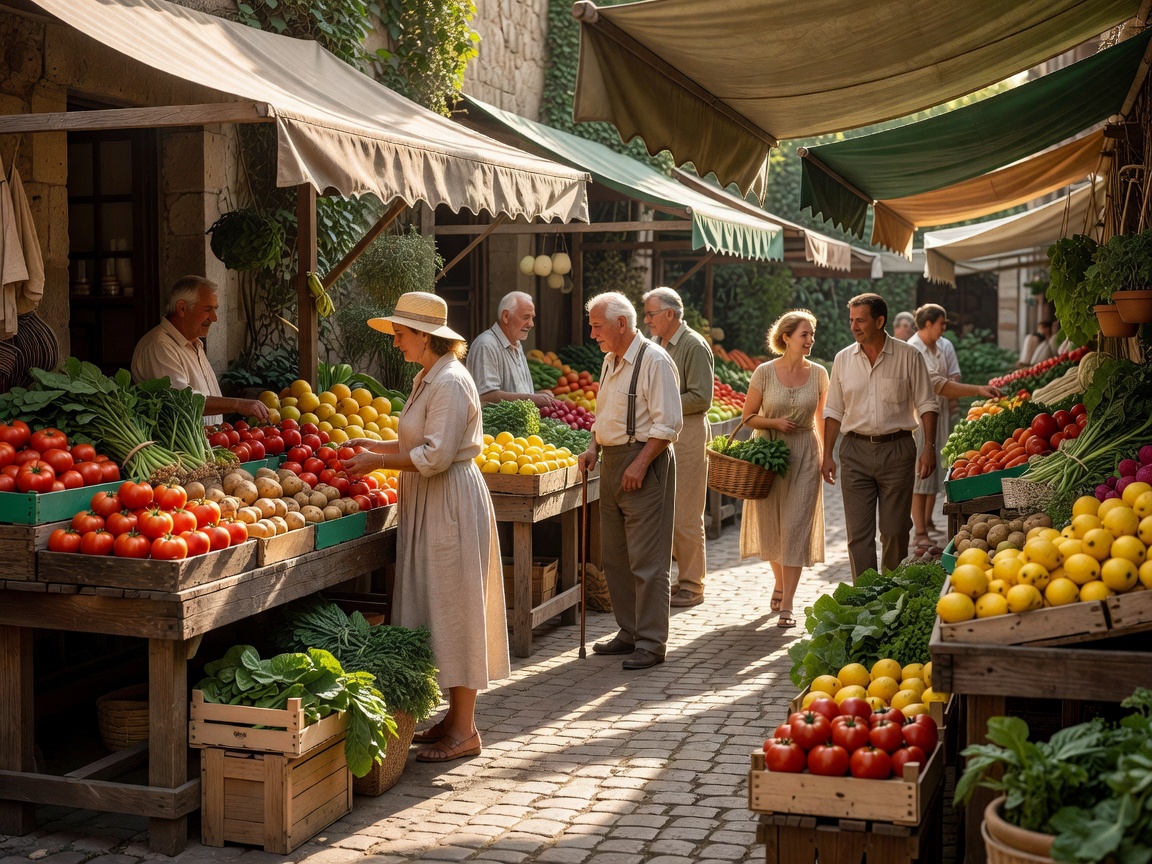
Markets can be a rewarding way to observe everyday food culture, but they have their own rhythms and practical rules. Check opening days and access details using current local sources, and be considerate when photographing people or their stalls. Food festivals and seasonal events may be interesting trip anchors, but dates, programmes and ticketing can change from year to year. Verify them through the organizer’s official source.
Look for experiences beyond the most publicized events: a neighborhood bakery, an independent food shop, a public garden or a local museum can add perspective. If you are interested in a specific regional product, learn how its production and season are described by local sources rather than assuming it will appear everywhere.
Budget, dietary needs and reservations
Set a realistic overall food budget before planning individual meals. Mix formats: markets, casual cafés, simple lunches and occasional special dinners can create variety without requiring every meal to be a splurge. Prices and payment practices vary, so confirm details with the venue and carry a flexible plan. Avoid building a trip around a promised discount or unverified price.
For allergies, intolerances and dietary preferences, communicate clearly and early. Learn a few relevant phrases where possible, but do not rely on translation alone for serious medical needs. Check transport timetables, allow time between experiences and keep a backup option in case a venue is closed or plans change.
Good for
- Curious travelers who want food to be one thread in a wider cultural visit.
- People who enjoy markets, neighborhood walks and a mix of planned and spontaneous meals.
- Those building an itinerary around season, regional context or a particular food interest.
What to know
This is general planning guidance, not current travel advice or a verified venue list. Menus, prices, opening hours, transport, event schedules and travel conditions can change. Check official sources close to departure and make arrangements that fit your needs.